Insights
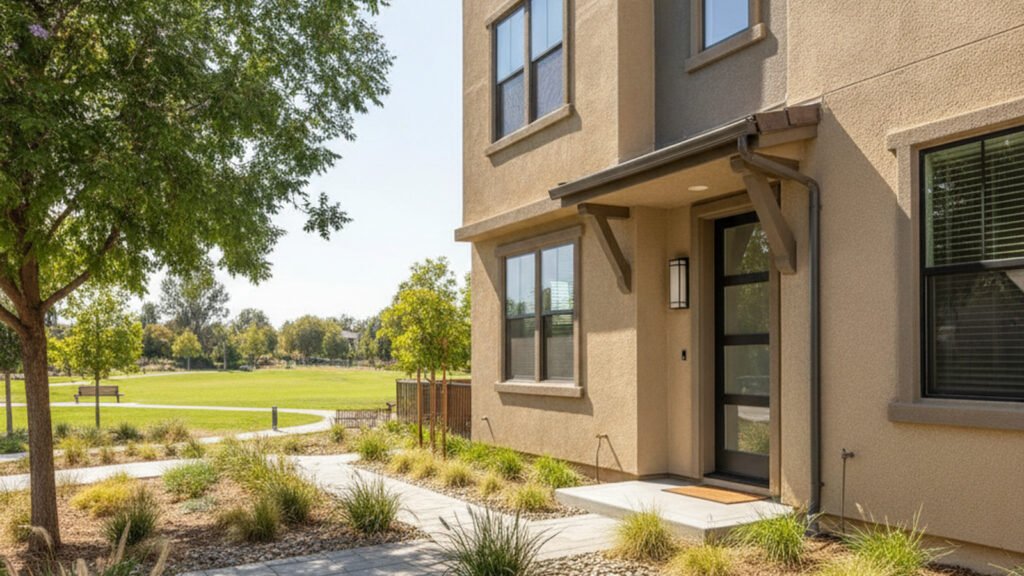
Irvine, CA sits at the center of Orange County and functions as a genuine employment hub – not a bedroom community that happens to have a few office parks. Young professionals often consider living in Irvine, CA for these career opportunities. The city runs on master-planned bones: organized park systems, distinct commercial zones, and corporate campuses that put a lot of people within a short commute of their desk.
Whether it makes sense for you comes down to one honest trade-off. Local salaries are strong, but the cost of living is steep, and the city operates nothing like a dense urban center. It’s not Los Angeles. Knowing that going in saves a lot of adjustment.
Technology, healthcare, and finance drive Irvine’s economy. That mix keeps local unemployment low and produces steady job growth, which is part of why workers keep relocating here. The city also carries a large concentration of biotechnology, education, and clean energy companies – so the options extend well beyond a single industry. A meaningful number of residents end up living within a short drive or bike ride of their office.
As of July 2026, the overall median rent in Irvine runs approximately $3,046 per month. Zumper and Zillow report figures ranging from $3,266 to $4,800 depending on property type and exact location – so the number you’ll actually see on a listing depends on what you’re looking at and where.
Those figures run roughly 40% higher than the broader Los Angeles metro median. Against the national median rent, Irvine sits about 120% to 140% above.
The premium is real, so price it into any job offer before you accept. That usually means choosing between a smaller apartment and splitting a lease with roommates. Plenty of people do both at some point.
Utilities, transportation, and groceries track with Southern California’s general pricing tiers. Many apartment complexes roll in fitness centers and co-working spaces, which offsets some of that overhead – though not all of it.
Oak Creek and Westpark come up frequently for newer residents. Oak Creek leans toward pet-friendly streets and Craftsman-style homes; Westpark has more modern apartment buildings. Both connect easily to major roadways and local shopping. Which one fits depends mostly on your commute direction and how much you want to walk versus drive.
University Town Center is the most walkable neighborhood in the city. Shops, restaurants, and parks are accessible on foot without touching your car keys. Westpark also ranks high for pedestrian access to daily necessities. If Orange County traffic is something you’d rather avoid on a Tuesday night, these two areas make that a lot easier.
The Irvine Business Complex has median rents around $3,300 per month. Woodbridge and Woodbury surface regularly as relatively affordable compared to the citywide average – a reasonable middle ground when you’re balancing cost against commute time.
Parasol Park, Orange County Great Park, and Orangetree carry additional lower-priced rental inventory. For buyers focused on overall home values and cost indexes, Turtle Ridge ranks as one of the least expensive areas to buy.
Portola Springs draws interest for its modern amenities and integrated park spaces. The broader Great Park Neighborhoods area is the city’s most substantial ongoing development – built on the former El Toro Marine base, it keeps adding new housing supply. If brand-new construction is what you’re after, start your search here.
The median sale price for a home in Irvine sits at approximately $1,540,000. There are roughly 744 homes available at any given time, with homes averaging 48 days on the market before selling. At about 4.6 months of supply, buyers have enough breathing room to work through standard inspection and appraisal contingencies without feeling rushed off the lot.
At the $1,540,000 median, start the down payment conversation early – ideally with a local lender before you’re deep into a search, so you understand current interest rates and what the monthly obligation actually looks like.
Condominiums and townhomes typically offer a lower entry price than detached single-family houses. Factor monthly homeowners association dues into your debt-to-income ratio before you fall in love with anything.
Recent data shows 161 homes sold in the area over a single month. That volume tells you this is a functional market – transactions close regularly and sellers generally receive offers close to asking price. Review recent comparable sales with your agent before you write anything.
Here’s the part no one puts in the brochure: Irvine’s layout prioritizes residential privacy and distinct commercial zones. Social life in a master-planned city tends to revolve around organized events rather than the kind of spontaneous street-level interaction you’d find in a denser urban neighborhood. That’s not a criticism – it’s just how the place works.
Building a network takes deliberate effort. Most new residents start with their workplace or an industry association and expand from there.
The concentration of tech, finance, and biotech firms makes industry-specific meetups fairly accessible. Trade events and seminars near the major business parks happen regularly. Real estate, education, and clean energy professionals hold their own gatherings throughout Orange County as well. Joining an industry association is probably the most reliable way to meet people outside your immediate office.
A personal vehicle is the practical reality for most residents. The road network features wide boulevards and clear signage – driving here is straightforward compared to Los Angeles. Public transit exists but is less extensive than in denser urban cores.
Commutes to Los Angeles or deeper into Orange County typically run on Interstate 405 or Interstate 5. Planning your schedule around peak rush hour isn’t optional; it’s just part of living here.
Turtle Ridge ranks highly for affordability based on overall home values. Portola Springs and the Great Park Neighborhoods are worth a look for modern townhome options in newer developments.
The median rent sits at approximately $3,046 per month. To keep housing costs at the standard 30% of gross income, a renter would need to earn roughly $121,840 annually. Your number will shift based on what you rent and where.
No. University Town Center and Westpark both offer walkable access to shops and restaurants without requiring a car, and the city has distinct areas that appeal to a range of lifestyles.
Irvine carries a median home sale price of around $1,540,000 and its inventory leans heavily toward master-planned and newer construction – the ongoing developments in the Great Park Neighborhoods being the clearest example of that.
Commuting to Los Angeles means significant traffic on Interstate 405 or Interstate 5 during peak hours. A lot of residents sidestep that entirely by working locally in Irvine’s tech, healthcare, and finance sectors.
University Town Center is the most common answer – walkable dining and retail in one place. Networking tends to happen through industry-specific events connected to the local tech, biotech, and finance companies rather than through any single social scene.
Discuss your next purchase, sale or relocation with Regina and plan the steps ahead.
Contact Regina today to start your real estate journey